
PUZZLE Games






ABOUT PUZZLE GAMES
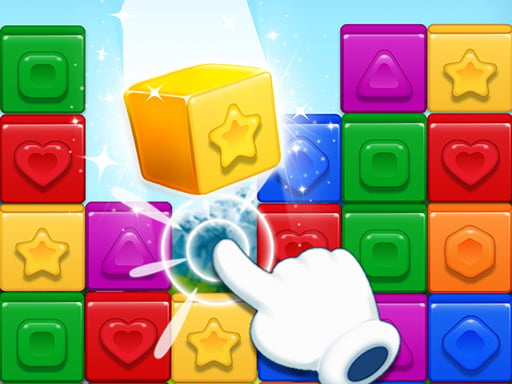
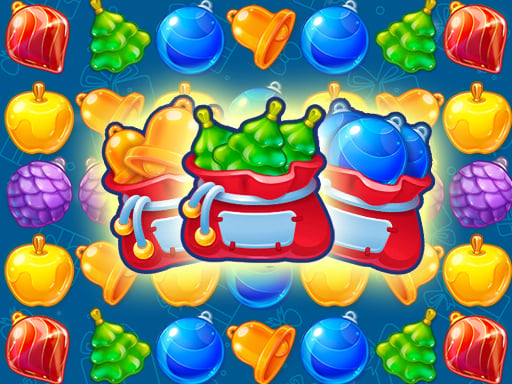
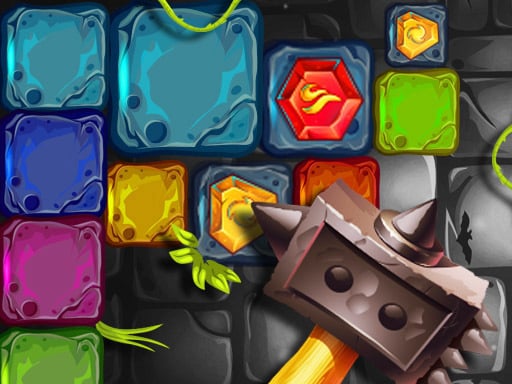
Puzzle games are the quiet geniuses of the gaming world. They don't need explosions, high-speed chases, or epic boss battles. They just need you and your brain. The experience is intimate. You sit, you look at a problem, and you try to solve it. Sometimes it takes seconds. Sometimes it takes minutes or even hours. That moment when the solution clicks? Pure gold. There's a reason puzzle games have survived for decades across every platform. They tap into something fundamental: our desire to make sense of chaos. Every puzzle is a small, self-contained world of order waiting to be discovered. The variety is staggering. Match-three games seem simple—align three identical objects and they disappear. But achieving high scores requires looking multiple moves ahead. It's casual chess. Physics puzzles use gravity, momentum, and elasticity to create challenges. You might need to place objects to redirect a ball or build a structure that doesn't collapse. These games teach you through failure, which is arguably the best way to learn. Block-pushing puzzles are about spatial reasoning. Move crates to specific spots while navigating obstacles. One wrong move and you're stuck—forcing a restart and a fresh approach. Point-and-click adventures blend puzzles with storytelling. You search environments, collect items, and figure out how they fit together. The puzzles are integrated into a narrative that drives you forward. Modern puzzle games have embraced narrative in a big way. You might play as a detective, solving a murder case. Or as someone trapped in a mysterious room, finding clues to escape. Or as an explorer in a strange world, decoding ancient mechanisms. The puzzles aren't just there for their own sake—they serve the story. Mobile puzzle games are especially popular because they fit into short attention windows. Waiting for coffee, riding the bus, taking a break—you can complete a level in a minute and move on. They're perfect for people who want mental stimulation without a time commitment. The aesthetic of puzzle games is often minimalist and calming. Soft colors, clean lines, gentle music. They're designed to be relaxing, not stressful. Some puzzle games don't even use text. They teach you the rules entirely through visual cues and interactions. That makes them universally accessible. You don't need to understand English or any other language. You just need to observe and think. And hardware requirements? Almost nothing. Puzzle games run on the oldest computers and cheapest phones. They're a pure expression of game design—no graphical bells and whistles, just solid mechanics. If you're looking for a game that makes you feel smart, puzzle games are the answer. They don't rush you. They don't punish you for being slow. They just wait patiently while you figure it out. And when you do, it's one of the best feelings in gaming.